When you finally buy your home for the first time, there’s a sense of accomplishment that runs through you. But there are also a few concerns you might have during the buying process and the home you are receiving as part of the sale. For most new homeowners, it can be incredibly overwhelming to realize that they don’t know how to own a home. Home inspectors are a vital part of the home buying process and their quality differs, but overall they are looking for structural issues items requiring major repair. Generally speaking home inspectors are not there to help you maintain your home, after all they are usually included in the process before you have bought the place.
A new homeowner checklist can help you from the first day you get the keys to your place. A checklist can provide you an opportunity to properly learn about and understand your property. Understanding those list of high priority items any new homeowner needs to inspect will ultimately save you money and stress during your year-one ownership. Hopefully this article will provide you some much needed overview to help you.
New homeowner checklist: your first 7 days
Your first week as a homeowner does not only include decorating ideas and unpacking your good dishes from the moving truck. Other top priority for your first week is to ensure your home is secure and in working order. This is the most important task for your first week or so.
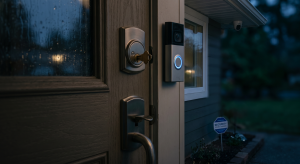
Change the locks before you unpack a single box
Ensure that all exterior locks of your home are changed out. Previous owners, real estate agents, and contractors may have keys to your home that are no longer in your possession. Additionally, if you bought a home that includes a garage, ensure that the keypad code is changed out on that property on the same day. Some homeowners will reset the code back to it’s manufacturer settings, which means that the code can be easily figured out.
Test your smoke and carbon monoxide detectors right away
Smoke detectors are required in every home according to building codes such as the IRC and NFPA 72. These codes require smoke detectors to be set on every level of the home within the sleeping areas of the home and outside of sleeping areas in the home’s vicinity. Additionally, carbon monoxide detectors must be set outside of sleeping areas and in every floor that contains fuel-burning appliances in the home. Each of these devices must be tested, and the batteries are replaced even if they do not need to be replaced. Furthermore, each device has a manufacture date on the back of the device. Most smoke and carbon monoxide detectors have a lifespan of 10 years. In several homes that are changing hands, these detectors have been in place for years and require replacement as soon as possible. According to the recommendations on NFPA 72 testing frequency, carbon monoxide and smoke detectors in homes must be tested at least every 60 days and smoke detectors must be tested every 60 days while carbon monoxide detectors must be tested every 120 days.
Set up utilities and locate your main shut-offs
If you haven’t already done so in the two weeks before your move in day, you will need to set up your utilities such as electricity, gas, water, and internet. Some companies will charge activation fees or deposit fees for these utilities. Another important point to note is that some towns will charge an additional fee for things like garbage disposal. It’s a good idea to contact the town’s office and find out if there are services that are billed separately.
One of the first things you should try to find is the main shut-offs for the water, gas, and electrical panel in your home. It’s best to figure this out before you need it as in the case of an emergency with any of these utilities, you will want to have the skills and knowledge to quickly locate the main shut-off to that utility.
New homeowner checklist: the 30-day systems review
For the next three weeks, focus on the systems that run your home. Many new homeowners will tend to ignore these systems until there is a problem, but addressing these systems now will save you money down the road.
HVAC: start with the filter and go from there
If you have an HVAC system in your home, ensure that the filter is changed out on move in day. Additionally, HVAC systems typically contain a label that indicates the age of the HVAC system. If you have a furnace or air handler, these will last between 15 and 25 years according to the manufacturer’s nameplate. Additionally, furnaces in Connecticut are used in the winter from October until April, so any neglected furnace can pose a major threat to your home during winter months. Ensure that each vent in the house is clear of any debris and allow for proper circulation of air. Depending on how clogged the vents are you might need to get them professionally cleaned.
Plumbing basics every new homeowner should handle in month one
You should run every faucet in the home and flush every toilet, and then check for leaking. Ideally this should be done during the walk through prior to closing so that leaks are addressed with the seller prior to closing. You should follow the manufacturers recommendation for maintenance for your water heater. This may include flushing the water heater to remove sediment that may have settled on the bottom of the heater over time.
Electrical panel: a quick but important review
Electrical panels contain the main breakers of each circuit in your home. If the circuit breaker box is not labeled, you can always take a few days to figure out what goes where for each room and label them yourself, for example you want to know which switch activates which room or portion of the home. You should also take a few minutes to test the GFCI outlets in the kitchen and the bathrooms of your home. You can find these breakers that may have been double-tapped and need to be replaced. Any concerns may need to be inspected by a licensed electrician to avoid any potential danger to individuals in the home.
Room by room at 30 days: what to look for and what to document
By the end of your first 30 days, you should have an awareness of every room in your home and major appliance. Use your phone to take pictures of any issues that could potentially be an issue in your home. These pictures will come in handy when you are looking to prioritize which repairs to make on your property or if you need to send them to professionals.
Kitchen and bathrooms: the rooms that hide the most surprises
Kitchen and bathrooms are two of the most moist areas in your home. Under the sink in the kitchen, the wood may be soft from moisture exposure. It is highly recommended to take a few minutes to inspect the caulking around the tub, shower, and sink in the bathrooms. Place your foot on the floor near the bathtub and toilet. If your floor feels soft or springy to the ground, it may be an indication of moisture damage to the subfloor of the home. Test exhaust fans in the bathrooms and kitchens to ensure they are moving air out of the room.
Basement and crawl space
If your home is an older home in Connecticut, it is likely that the basement area poses a moisture problem for your home. Water staining on the walls of the basement, white deposits on the concrete block, known as efflorescence, rust along the foundation walls and any musty smell in the basement is a sign that your basement has some issues with moisture. These issues may be historic or active. If any of these issues are active, they should be attended to right away. Issues with moisture in the basement can lead to mold, rot of wooden subfloors, and in extreme cases, structural compromise of the basement entirely. As a point of education though, basements will typically have more humidity than the rest of the home and you will likely need to run a dehumidifier during the summer months. Moisture issues from basements that you really want to look out for are caused by leaking after rainfall or any leaking pipes.
Attic, garage, and utility spaces
Attic, garages and other utility spaces are often ignored when viewing homes, as they don’t seem to be the main feature but there is a lot you can see about the general state of the utilities of your home by going there. The attic includes the insulation of your roof and has some indicator about the structural and environmental health of your home. Observe things such as potential roof leaks and signs that pests such as rats live in these areas of the house.
Days 30 to 60: the issues that don’t always show up on day one
Some issues in your home may not become apparent to new homeowners until after it rains heavily in your area or after any extreme weather is experienced in your home.
Flooring issues to check for
Hardwood floors may be showing signs of cupping or gaps between the boards due to moisture damage to the subfloor from underneath the hardwood. Similarly, if you have tile flooring, some areas might make a hollow sound when tapped. This indicates that the subfloor tile has lost its bond to the subfloor underneath. Additionally, if any carpeting seams have split or there are transitions between carpeting areas that do not sit flush with the rest of the carpeting, this is another indication that the subfloors underneath could be warped. Many homes in Connecticut have these flooring issues below dated flooring that may have otherwise been masked from view by objects such as carpets or furniture.
Windows, doors, and weatherproofing
On a cold day, place your hand against each window and exterior door. If you feel drafts between the doors, this is money leaving your home. Additionally, take a few minutes to inspect the weatherstripping on the exterior doors to ensure they are tight and caulk along the exterior windows. Pay close attention to any paint that might be peeling along the walls near windows and exterior doors. This could be an indication that there is moisture getting into the walls. You should also inspect each window to ensure they are not fogged between panes, doors do not stick in the open or closed position, and that the windows lock properly. Eversource has a program that can help you assess some energy loss issues and it can be free to you depending on your income.
Days 60 to 90: sorting repairs, setting a budget, and planning ahead
Now that you have lived in your home for at least 90 days and have inspected each area to determine what needs to be repaired, it is time to make decisions about your home.
Sorting urgent repairs from long-term projects
Not all projects require the same level of priority. For instance, any issues with water or electrical systems are urgent and need to be prioritized over painting your house or installing hardwood flooring. Additionally, there might be other urgent issues that require your attention. While it is understandable that you might try to delay these projects in the first year of homeownership, they might not be worth the long term risk to your property. At a minimum you should have them evaluated by a licensed electrician or plumber.
Budgeting realistically for your first year
For most homeowners, it is a rule of thumb that they should budget between 1 and 3% of their initial purchase price of their home to be used for maintenance and repairs each year. For instance, if a home is purchased for $350,000, the homeowner could budget between $3,500 and $10,500 per year for home repairs. Additionally, it is recommended that there is an estimate for each of these systems before deciding when the repairs will be made. For instance, urgent plumbing repairs in Connecticut might run between $175 and $550 for leaks in the pipes and between $150 and $975 for the water heater. Electrical work might run between $200 and $1,500. These estimates will give you an understanding of the cost of these repairs and eliminate the anxiety of having to decide on a price for these home repairs.
Why a pro walk-through makes this new home checklist easier to follow
Having a checklist for new homeowners is a great start. However, having someone with the experience and knowledge about the different homes and systems in place who can walk through them with you will give you an even better understanding of your property than the checklist could have provided. Most new homeowners do not know a lot about the systems in their homes and it is okay for them to not know; the point is to get the information necessary to make a decision about their property before they move in.
What the New Homeowner 101 session with Brush and Repair covers
During the New Homeowner 101 session, we will discuss any areas of concern for you. You may start to accumulate a list of items you cant wait to get done, or have anxiety about getting done. We will help you internalize your maintenance obligations and be able to point out what needs to be done and what can be done later on as you have the funds to do so.
Connecticut homes have their own set of quirks
Connecticut homes tend to be older, and can have basement moisture issues. As noted earlier some of these issues can be caused by a bigger concern or it can be just normal basement moisture requiring a dehumidifier.
Your first 90 days build the foundation for everything else
The new homeowner checklist includes a few different time frames during the first 90 days to properly understand your home. For example, the first 7 days should include the tasks associated with ensuring your home is secure. Days 8 to 30 should include an inspection of each of the systems that run your home. Additionally, days 30 to 60 could include another inspection of items like flooring in your home. Finally, days 60 to 90 will include a decision about which repairs you will make to your home and how much you will budget for those repairs.
When you purchase a home, it gets significantly easier to be a homeowner once you understand what the house needs in order to remain in great shape year after year. Once you learn the basics the anxiety that most new homeowners have about their property can subside. After a few months you should hopefully not feel overwhelmed by your home but rather confident. By properly maintaining your home, that can save you some costly repairs in the long run.
If you are a homeowner in Connecticut and would like for a professional to help you with your property, reach out to us about our New Homeowner 101 session. During this session, we will walk through each part of your property and help you by giving you a plan for your first year as a homeowner.
Call us at 860-899-5645 to schedule your in-person or virtual walkthrough.