Flooring


and Tiling
Transform Your
Dream Home Today
Flooring & Tiling
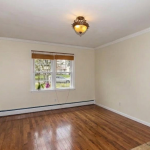
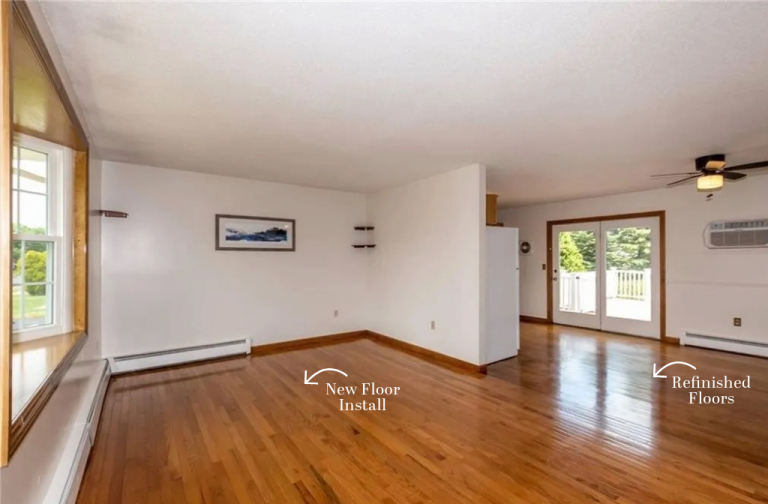
We take care of hardwood and tile installations and repairs. From planning to completion, we’ll take care of everything necessary to give you a quiet, stable floor that will last for years to come. Whether you need just a few planks replaced or a complete new tile installation in your entryway, we can take care of it for your New England life.

Partnering with you to bring your unique vision to life.

Straightforward advice and clear updates throughout your entire project.

Two decades of skill and showing up on-time.
Real Client Feedback
Start Your Project
Remodeling Blogs
Discover expert tips, maintenance ideas, and renovation trends. Stay inspired to create the home you’ve always dreamed of.
February 1, 2026
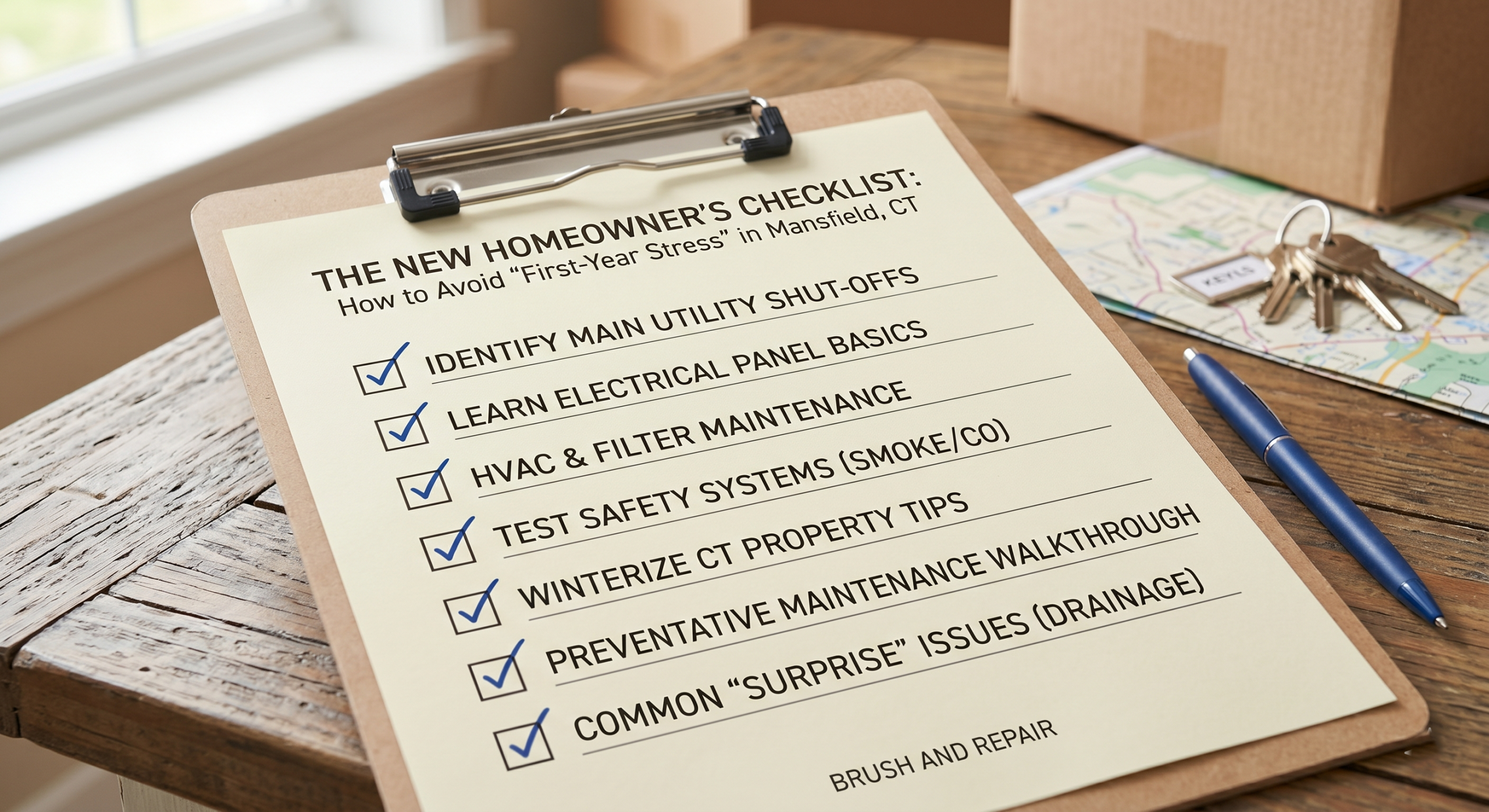
When you finally buy your home for the first time, there’s a sense of accomplishment that runs through you. But there are also a few concerns you might have during the buying process and the home you are receiving as part of the sale. For most new homeowners, it can be incredibly overwhelming to realize…

May 10, 2026
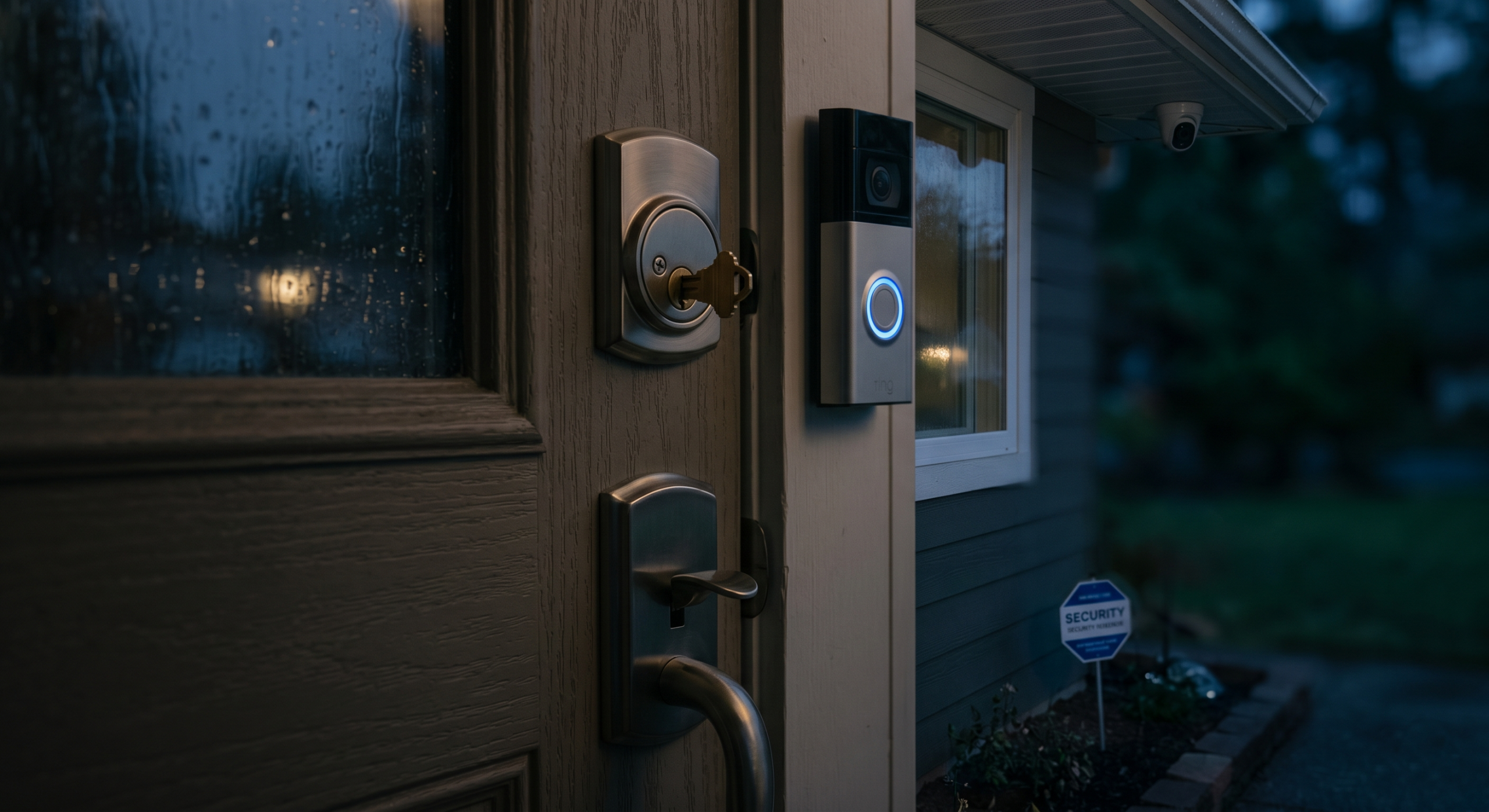
With the “Sold” sign finally out of your window, you can finally put down the keys and prepare for your new home. However, before you can take a walk through your house or start dreaming up ways to decorate your kitchen, you should think about the security of your new place. Your new home may…
May 17, 2026
Buying a home is an emotional and financial investment that comes with a ton of excitement. However, there are a few surprises that usually come with homeownership after the excitement of purchase settles in. Even though home inspections can reveal a few issues, most homeowners need to weather a few seasons and weather conditions in…
Frequently Asked Flooring Questions
Usually, no. If you have water damage or deep gouges in one area, I can often perform a "surgical" repair by replacing just the affected planks. The challenge is matching the existing finish, but it’s a much faster and cheaper alternative to tearing out an entire room.
Most clients would prefer to go in and select and purchase their own “finish” materials (the tile/wood they like more). I will take the measurements and provide a list of materials needed. I usually take care of the “unseen” materials to ensure they are the proper technical grade for the project.
I generally don’t recommend it. A tile floor has to have a stable, clean foundation below it. Otherwise, you’ll end up with popped tiles in six months. The best route is stripping the floor down to the subfloor and reinstalling the tiles.
Most standard sized bathrooms take about three days to complete. Day one is for the demo and subfloor prep, day two is for laying the tile and the third day is for grouting the tile. The mud (thinset) needs to cure overnight before walking on the floor or grouting it.
It depends on where the wood is going to go. Into a basement with high humidity? Engineered wood is best. For a main living area and if you’re looking for something that can be refinished three times over the next 50 years, solid hardwood will be the best choice. I can look at your space and tell you what would work best for that area.